N2x Forged Internals Guide
This guide covers the specifics required when building an N2x engine block.
The N2x Platform shares around ~80% of its engine parts with the N55 and about ~60% with the S55. The N2x also shares some similarities with the BMW Prince Engines (N14, N18 etc).
There are many forged parts suppliers available for the N2x platform. In the interest of this guide, we will only cover some of the popular options. Always research and consult with engine builders for your specific application.
Please note: Below information is an additional guide - this should be used in conjunction with the BMW N20 / N26 rebuild guide located in either BMW TIS/ISTA or equivalent.
Video Build Guides
N20 Forged Build - Part 1
N20 Forged Build - Part 2
N20 Forged Build - Part 4
N20 Forged Build - Part 5
N20 Forged Build - Part 6
Factory Cylinder Specifications
BMW Technical Documentation showing factory cylinder specifications for N20/N26 engines:
Required Parts and Procedures
1. Timing Chain, Oil Pump Chain, Chain Guides, Drive Sprockets
If you're rebuilding the motor and it's been built before JAN 2015 for Automatic Gearbox or JAN 2016 for Manual Gearbox then it's best to get this over and done with whilst the engine is open.
2. Notching The Cylinders For Upgraded Connecting Rods
Notching the base of the cylinders is usually required for H-Beam connecting rods due to their width being quite large as opposed to I-Beam connecting rods. The stock rods are a type of I-Beam configuration, typically you would use H-Beam for high TQ motors and I-Beam for high HP and high revving engines.
However over the years the technology has improved dramatically in forged connecting rods that I-Beam and H-Beam rods perform very similarly. At this time there are no I-Beam Connecting rods available for the N2x.
Installing Sleeves Into The Engine Block
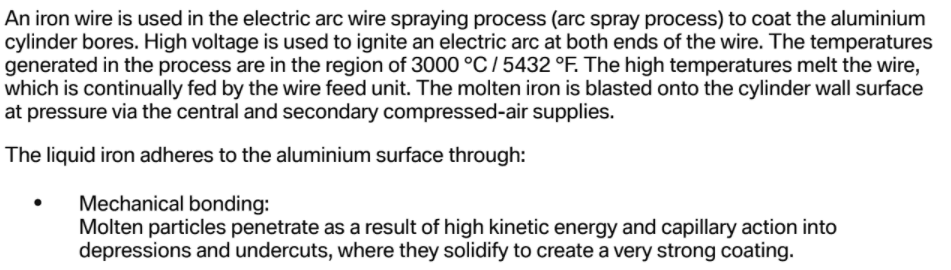
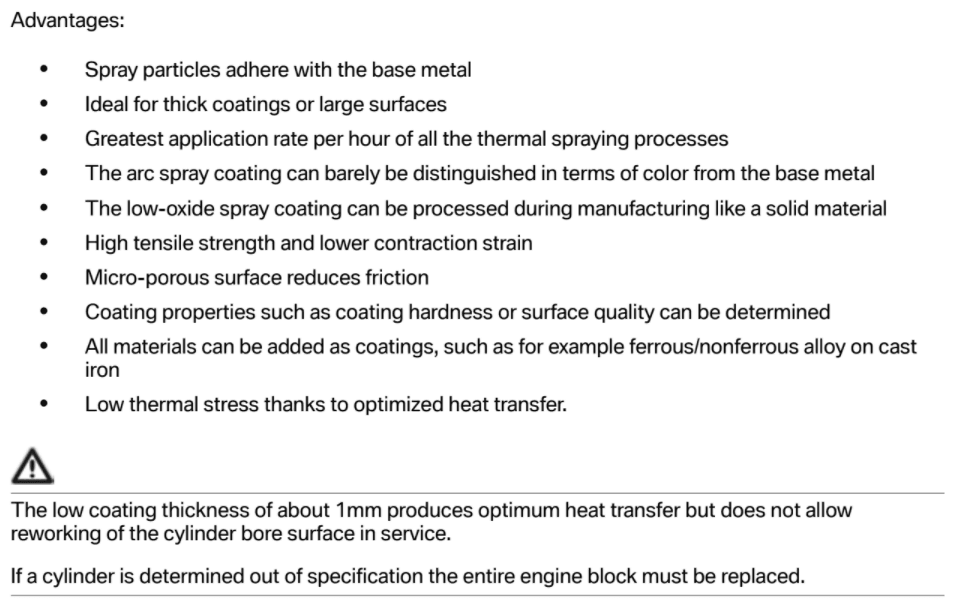
The N2x engines are made in the factory with an arc spray process coating on the cylinder walls. The cylinders require either a replacement or performance sleeve to be installed or for the block to have the arc spray process re-applied when new pistons and piston rings are required.
Warning: Do not attempt to re-use your original piston rings on new pistons or forged pistons and ensure the piston rings match the cylinder they have been ring gapped for (google piston ring file fit/ring gapping). If you attempt to reuse old piston rings, or do not re-hone/bore a cylinder for a new set of rings/pistons you will more than likely end up with compression issues, oil blow-by or burning and low power output.
Note: We have seen examples of built N20s with closed deck insert/conversions and reapplied plasma arc spray coatings running in the 400-500whp range (Based on Dynojet) running around 30-38psig, however these cars haven't been operational at these high power/boost for a long period of time so we cannot gauge the longevity of the factory plasma arc coating.
Option 1: "Parallel" or "Repair" Sleeve
Most common and cheapest - NOT recommended for high power
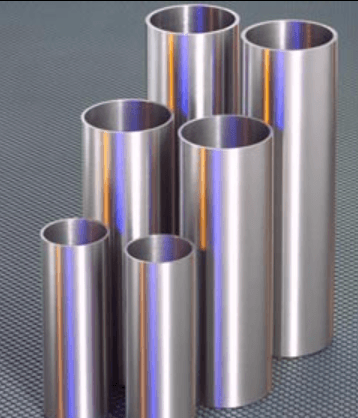
Good for those that need to repair the block close to factory specification if re-applying the arc spraying process is not available. Problems with these sleeves on the N2x platform:
- 1. Athena "Cut-Ring" Head Gasket Issues: During head torqueing, the gasket places immense strain on the sleeve. If not installed correctly, the sleeve will begin to drop during the first engine heat cycle, resulting in a blown head gasket and loss of cylinder compression.
- 2. Installation Error/Sleeve Mis-match: Most sleeves are a "close enough" match from another engine application. Too large of an Outer Diameter results in machining into coolant passages. Too small results in thin cylinder walls that can crack under high power.
- 3. Sleeve Drop Under High Performance: The N2x uses quite soft aluminium composition, which once warm combined with high power will see the sleeve drop, head gasket fail, and another engine rebuild.
We only recommend such a sleeve for OEM style rebuilds where the engine power won't exceed standard stage 2 OTS levels.
Option 2: Flanged Sleeve
Sturdier option with flanged top or "hat"
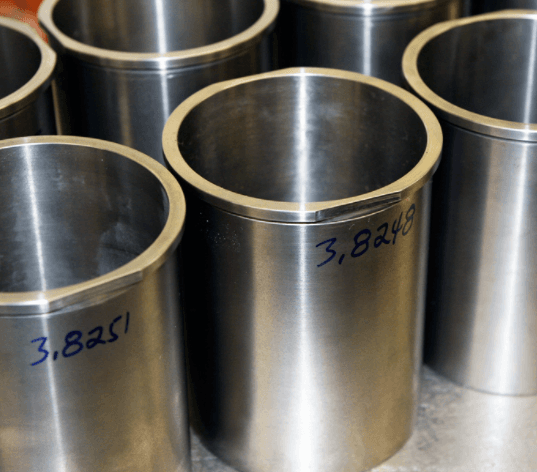
Very common in the BMW engine building world mostly in 6 and 8 cylinder engines. The flanged top has more surface area and helps the sleeve stay seated, eliminating sleeve drop. Issues with these sleeves:
- 1. Cracked Sleeves: If using a sleeve with too thin cylinder wall thickness especially when paired with an "Open Deck" block design. Best option: have Darton Sleeves Inc create custom flanged sleeves.
- 2. Cylinder Movement: Under high boost due to the "Open Deck" design. To combat this, having the deck "Closed" would help eliminate "Sleeve walk".
- 3. Sleeve Material: Ensure the sleeve is constructed from a robust material that won't distort or crack under high horsepower applications.
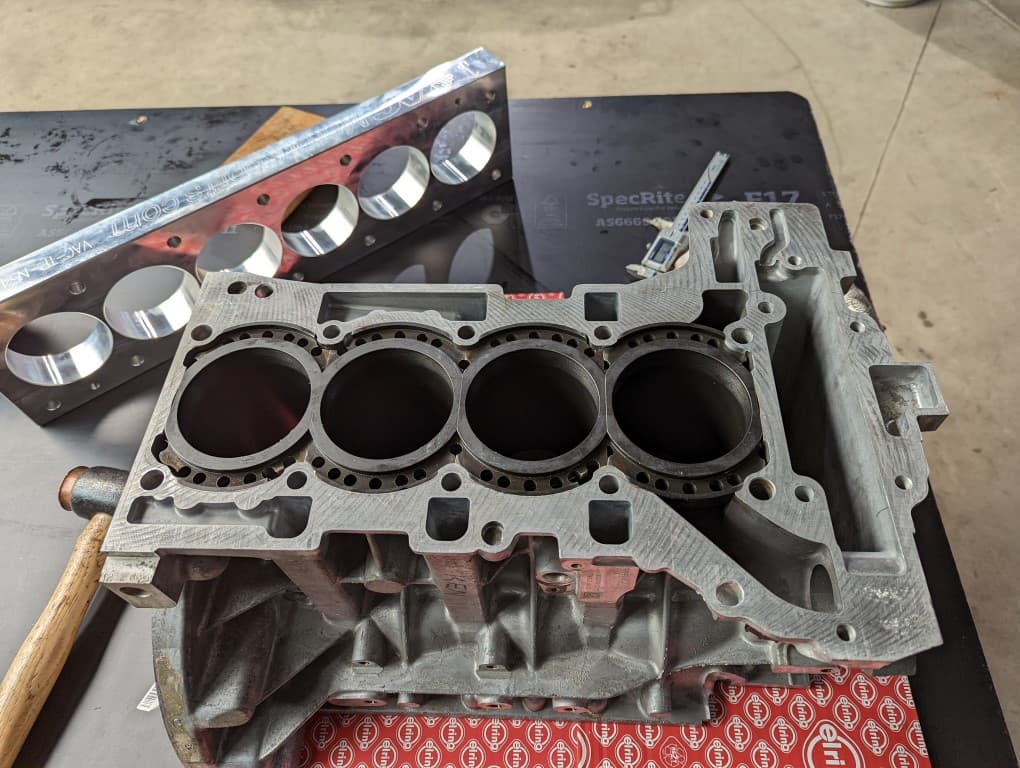
Option 3: Darton MID Wet Sleeve (RECOMMENDED)
Custom made by Navardi Tuned with Darton Sleeves Inc & Brintech Customs
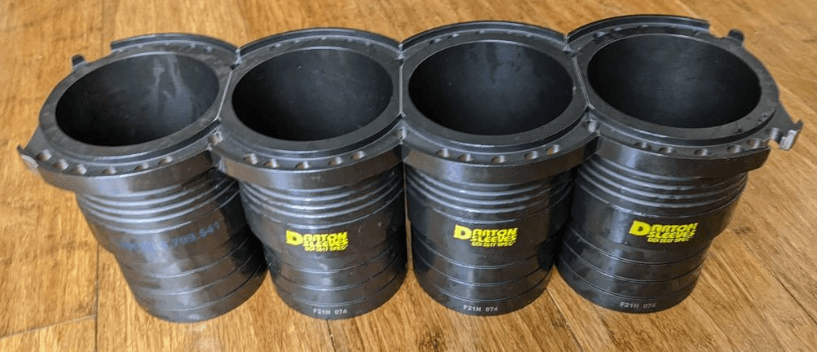
This sleeve replaces the entire aluminium cylinder wall, allowing it to be one solid piece rather than 2 different pieces of metal. This allows for better heat transference (lower cylinder temperature) and better rigidity and strength. These sleeves also incorporate a closed deck design.
Pros
- Integrated closed deck solution
- Thicker cylinder wall thickness for more abuse and greater HP limits
- Better heat transference of the cylinder
- 3x sealing O-rings allow easy sleeve replacement vs interference fit designs
- Individual cylinders can be replaced if damaged
Cons
- Price can be more expensive per sleeve
- Made to order - lead times 12-18 weeks
- Higher installation cost - requires 3-axis CNC machine
- Finding a machinist with proper equipment may be challenging
Wall Thickness: Using standard 84mm piston, the Darton MID Wet Sleeve has ~3.5mm of cylinder wall thickness between cylinders and ~8mm on thrust & non-thrust sides. For comparison, a flanged liner usually sits around 1.8-1.9mm.
Darton Wet Sleeve Specifications:
Closed Deck Conversion Information
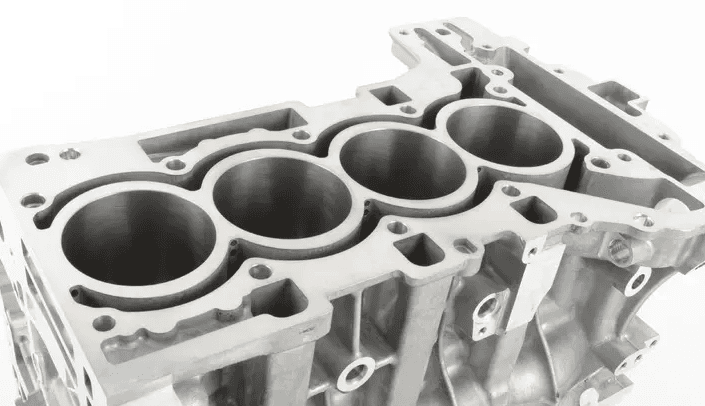
Closing the N2x engine block deck is highly recommended. On 30+ PSIG setups, if the block is left in its original open format, the factory cylinders can begin to move around. Whilst slight, it can cause a head gasket to fail or for a sleeve to crack.
Open Deck Design
Semi Closed Deck Design
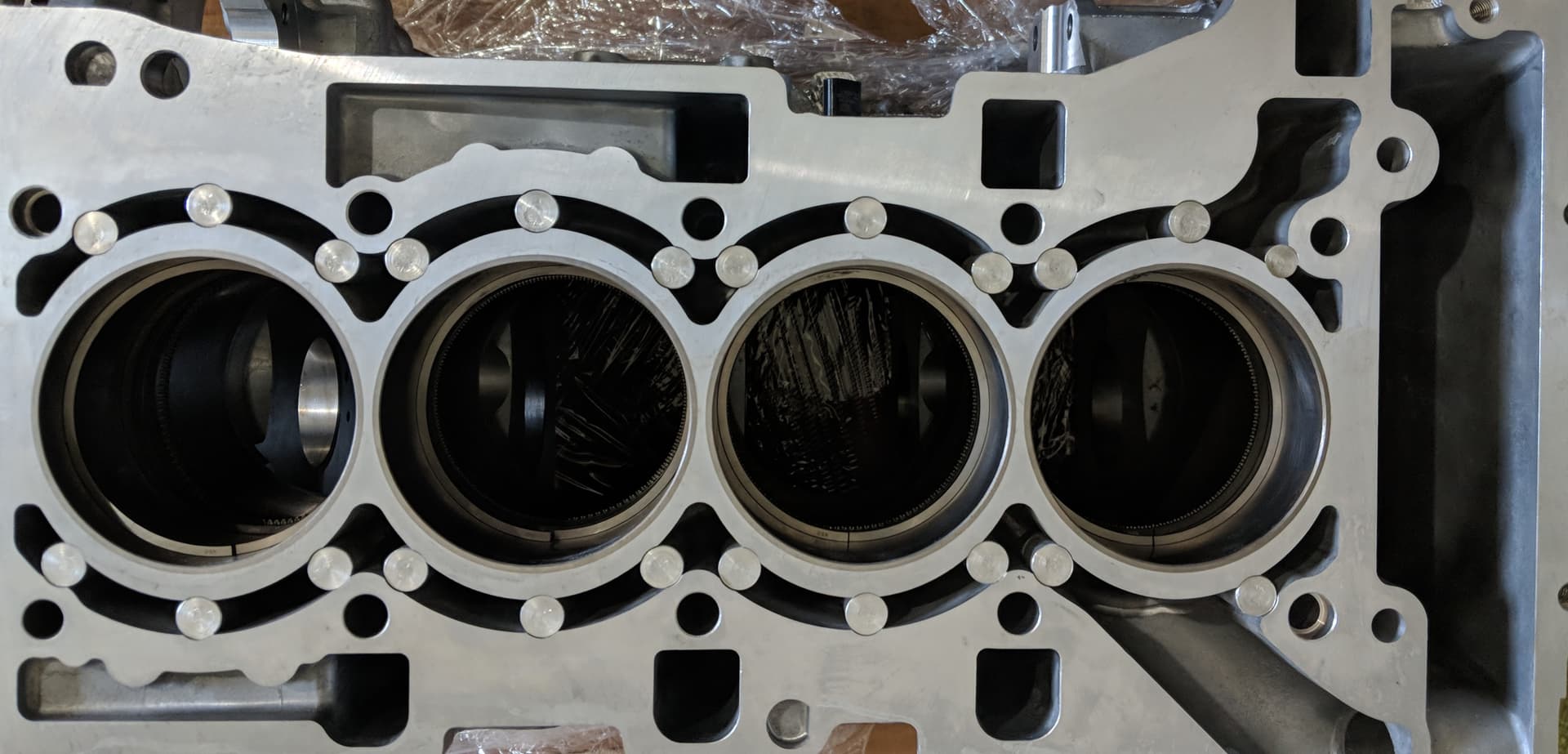
Fully Closed Deck Design
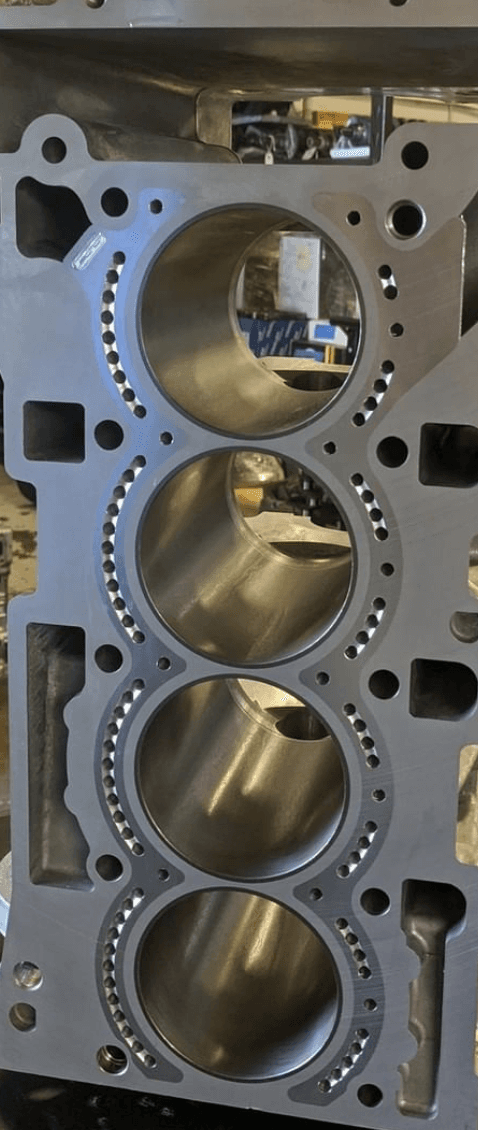
Required OEM Replacement Bolts & Gaskets
These parts must be replaced when rebuilding the N2x engine as they are either Torque to Yield or gaskets that should be replaced:
- •16 x M8 x 30mm OEM Bed Plate Securing Bolts (OE 07129903926)
- •4 x M8 x 40mm OEM Crank/Flywheel Hub Bolts (OE 07119907475)
- •1 x Crankshaft HUB Seal (OE 11118618864)
- •1 x Crankshaft Flywheel HUB Seal (OE 11117587168)
- •2 x Spark plug / Injector Bucket Gaskets (OE 11127589830)
- •1 x Valve Cover Gasket Set OEM (OE 11127588418)
- •1 x M10 x 30mm Oil Pump Drive Gear Bolt OEM (OE 11277619309)
- •1 x Oil Filter Housing to Cylinder Head OEM Gasket (OE 11428637821)
- •2 x Oil Pan Bolt (OE 11137603830)
- •20 x Oil Pan Bolt (OE 11137603833)
- •1 x Vacuum Pump Seal (OE 11127507217)
- •1 x Valvetronic Seal Plate (OE 11377502022)
- •1 x Oil Pan/Sump Gasket - RWD (OE 11137627512)
- •1 x Oil Pan/Sump Gasket - AWD (OE 11137627511)
Cylinder Head Cracking Prevention
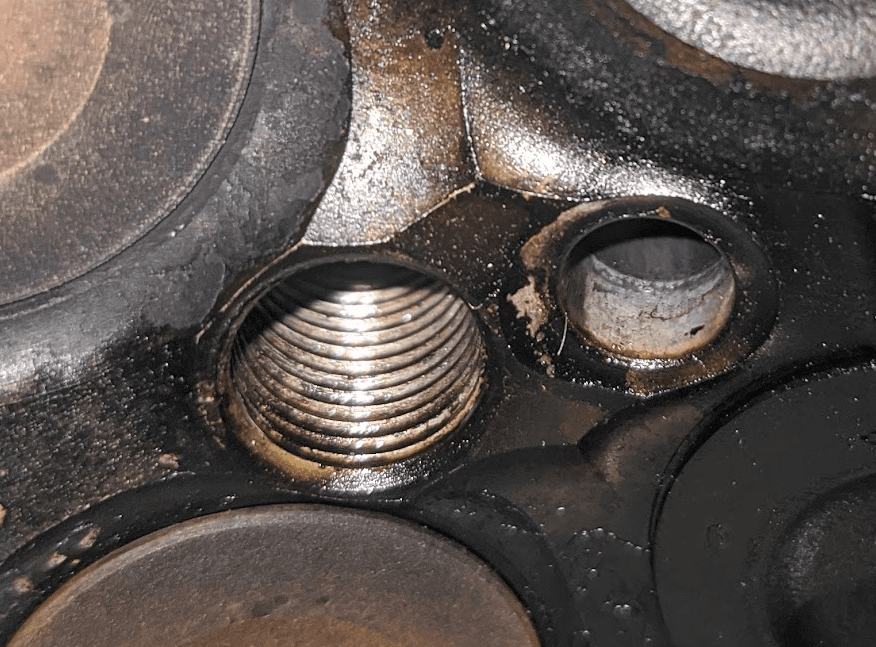
The N20 Cylinder heads are known to crack around the spark plug seat and down underneath the valve seats causing compression loss and engine idling/start-up issues. The working theory is due to the small & thin amount of material exposed to the combustion chamber from the spark plug seat - if the engine runs too hot or too lean, or experiences detonation, the material cracks.
Estimated 50% of wrecker cylinder heads have these cracks. Not all are major and can be repaired, but cracks that spread to the valve seat make the cylinder head unusable.
Prevention Methods
- •Inspect all used/wrecker cylinder heads for existing cracks before use
- •Reinforce the spark plug seat area during head preparation
- •Ensure proper cooling system function to prevent overheating
- •Avoid running lean or with excessive knock/detonation
Preventive Machining Process
Before: Without Machining
After: With Machining
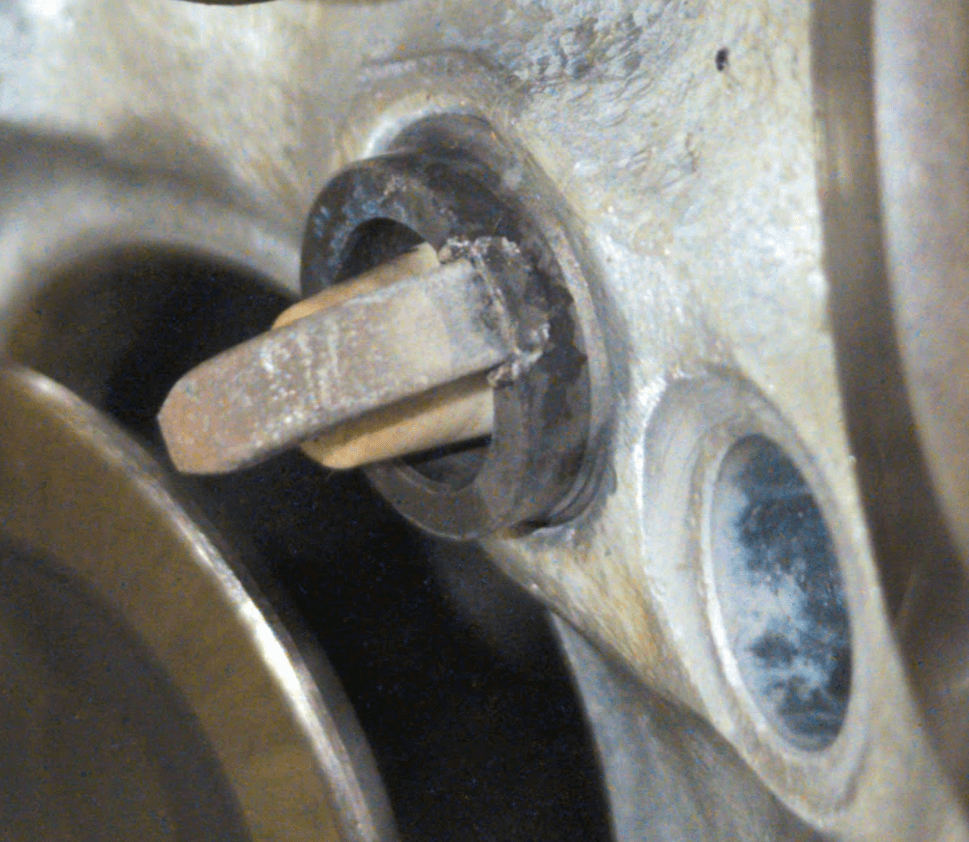
Machining the spark plug seat area reinforces the cylinder head and helps prevent cracking under high boost and heat.
Head Stud Modification (10x 11mm ARP)
Stock head studs fail over 30psi of boost!
The most appropriate upgrade is going to ARP2000 Head Studs. Currently the EVO X (Mitsubishi 4B11 Engine) ARP2000 & CustomAge 625+ Head Studs are compatible with the N2x Platform.
Modification Required: The 4x corner bolt holes must be modified to fit 10x 11mm studs (factory design uses 6x 11mm and 4x 10mm bolts). The 10mm studs are weaker and will be your first point of failure.
Use a Time-Sert (not helicoils) - they're like a helicoil but better and stronger. The Time-Sert you need is: M11 x 1.5mm x 30mm
You will also need to drill out the 4x corner head bolt/stud holes in the Cylinder head to suit the larger head stud diameter (12mm drill piece works).
Head Stud Torque Sequence:
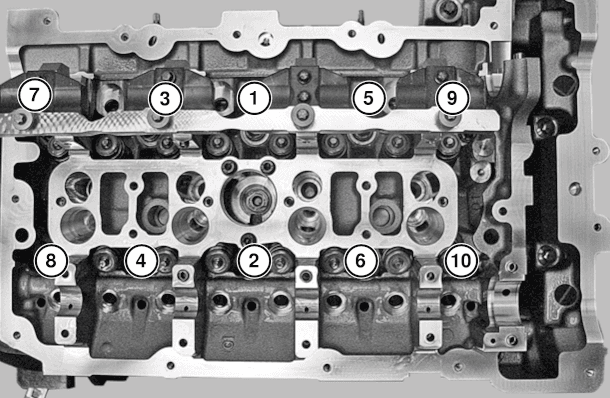
Main Stud Upgrade
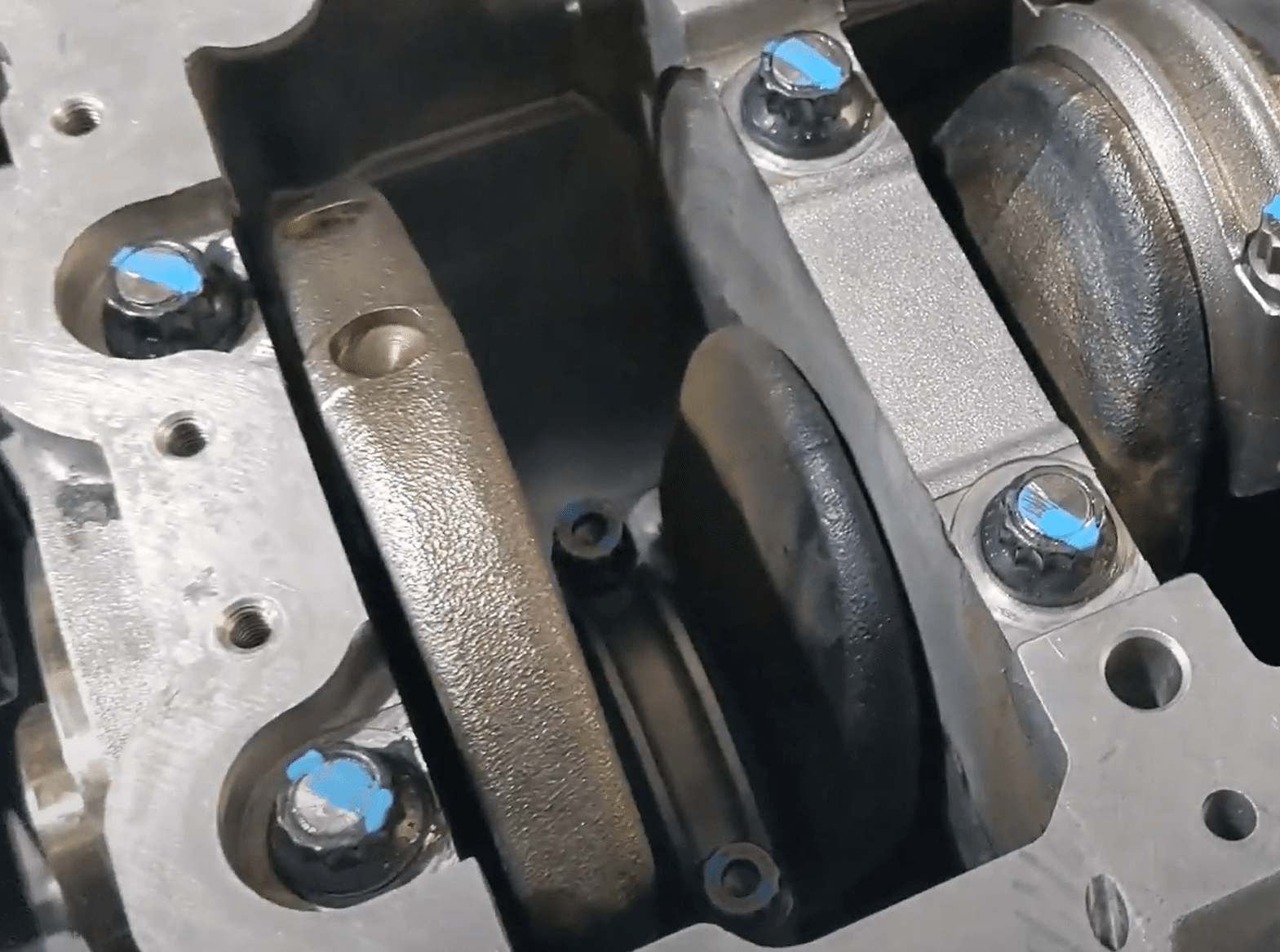
Recommended: BMW M50 ARP2000 or CustomAge 625+ Main Studs are compatible with the N2x platform.
Main studs provide additional clamping force to the main bearing caps, helping to maintain crankshaft alignment under high power and high RPM conditions.
Clearance Modification: Main stud clearance modifications may be required during installation. Ensure proper clearance for the stud heads.
ARP Main Stud Clearance Reference:
Forged Internal Part Options
Connecting Rods
Listed from Strongest to Weakest:
- 1. CP Carrillo Conrod with Carr Rod Bolts
- 2. CP Carrillo Conrod with WMC Rod Bolts
- 3. SP Components (Sold through VAC Motorsports)
- 4. Max Speeding Rods with ARP L19 Rod Bolts ~ rated to ~800 crank HP
- 5. Max Speeding Rods with ARP2000 Rod Bolts ~ rated to ~600 crank HP
ARP Rod Bolt Upgrade (Stock Rods)
Upgrading the connecting rod bolts to ARP2000 bolts adds an extra layer of security for those that want it. Whilst this upgrade does enable you to push an extra 1-2psi throughout the RPM range, it's still not advised to do so. Rather, use this upgrade to add a further safety net when running the engine in racing or drag setups.
Stock rods can quite capably support 25psi from 4500-7000 RPM, but this is just an extra added layer of security as the most common failure point is the rod bolts over-stretching and allowing the rod end cap to separate from the rest of the connecting rod.
Part Number: ARP 201-6303
Forged Pistons
- Recommended: CP Carrillo 2618 Forging Piston (2618 forging is material used in top fuel engines)
- Sizes: 84mm and 84.5mm off the shelf. Darton MID Wet Sleeves can take max 85mm piston
- Compression Ratios: 9.5:1, 10.0:1, and 11.0:1 - recommend 9.5:1 or 10.0:1 for turbo setups
- Coatings: Optional - recommended for 600+HP builds (VAC Motorsports offers this)
- Piston Pins: Upgrade to heavy duty/steel pins for 800+HP builds
Head Gasket Options
- 1. Athena Cut-Ring Head Gasket 1.21mm thick
Composite gasket with fire ring that mechanically locks into cylinder head. For 35+ PSIG applications.
- 2. BMW OE Head Gasket 1.0mm (OE 11128676514)
OEM MLS Gasket - requires fresh block and cylinder head resurface (60RA+ surface finish)
- 3. BMW OE Head Gasket 0.7mm (OE 11128676519)
OEM MLS Gasket - requires fresh block and cylinder head resurface (60RA+ surface finish)
Bearings
Connecting Rod Bearings
Recommended: ACL Tri-Metal Racing Bearings or King Bearings GPC. Calico coating available for low friction.
Crankshaft Bearings
OEM or King Bearings. Let your shop/builder order the correct size for your application.
Valve Lift Modification
BimmerMILVS Valve Lift Modification: +1mm intake valve lift modification available for improved airflow and performance on built engines.
This modification increases intake valve lift, allowing for improved cylinder filling at high RPM. Recommended for engines targeting 500+ WHP.
Oil Pan Upgrade
Recommended: URO Parts aluminum oil pan with Brintech baffle kit.
The stock plastic oil pan is prone to cracking and is not suitable for high-performance applications. An aluminum oil pan provides better durability and heat dissipation.
The Brintech baffle kit helps prevent oil starvation during hard cornering, acceleration, and braking - critical for track use and high-performance driving.
Auxiliary Mods Checklist
Consider these supporting mods for your engine/turbo setup (not all required for building a motor):